Not Every Historic District in the Heights Plays by the Same Rules
August 13, 2026
August 13, 2026
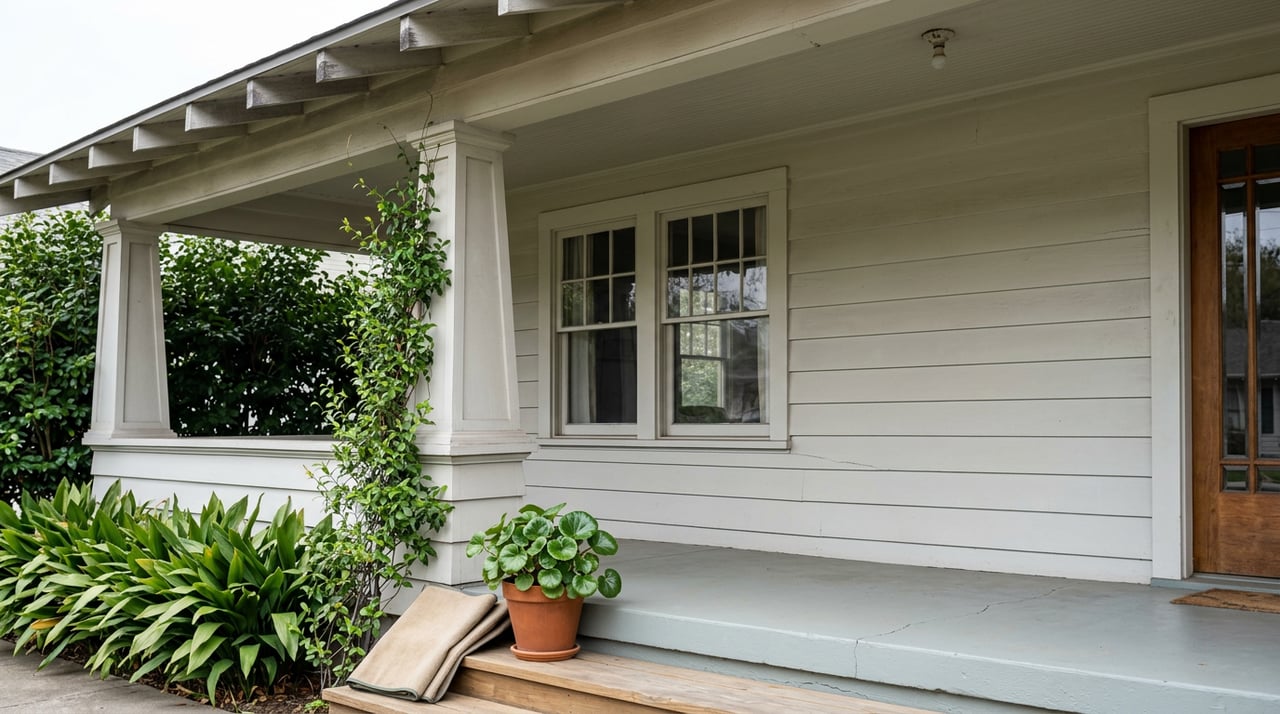
Say you're under contract on a 1920s bungalow near Heights Boulevard. You've already picked out the paint color and you're ready to swap the drafty original windows for something more efficient before you move in. Then your contractor mentions a Certificate of Appropriateness, and you learn the swap isn't yours to make on your own timeline. It depends on which historic district your new address sits inside, and in the Heights, that answer isn't as uniform as the "Historic District" designation makes it sound.
Most buyers assume that label means one rulebook. It doesn't. It means two different review systems wearing the same sign.
The Heights is generally described as covering seven mapped historic districts: Houston Heights East, West, and South, plus Woodland Heights, Norhill, Freeland, and Germantown. All seven require a Certificate of Appropriateness, or COA, before you touch the exterior of a contributing structure. But only three of them, Heights East, West, and South, have codified, written design guidelines that spell out setbacks, height limits, and what "compatible" actually means on paper.
The other four operate on a more subjective standard. Reviewers lean on the guidelines from the three codified districts as a reference point, but there's no rulebook written specifically for a project in Woodland Heights or Germantown. Norhill has an active neighborhood association with its own explicit deed restrictions, which gives owners there a clearer backstop than Freeland or Germantown offer.
| District | Written City Design Guidelines | Practical Review Basis |
|---|---|---|
| Houston Heights East | Yes | Codified guidelines |
| Houston Heights West | Yes | Codified guidelines |
| Houston Heights South | Yes | Codified guidelines |
| Woodland Heights | No | Subjective, references the three codified districts |
| Norhill | No | Subjective, backed by explicit neighborhood deed restrictions |
| Freeland | No | Subjective, references the three codified districts |
| Germantown | No | Subjective, references the three codified districts |
That gap matters at exactly the moment a buyer stops browsing and starts planning. Two houses that look identical from the sidewalk can carry two very different levels of predictability once you file for approval, and the difference has nothing to do with square footage or price.
The city's own Historic Preservation Manual is specific about what triggers review: altering an exterior feature, adding on, building new construction inside a district, or relocating or demolishing a structure. Ordinary maintenance and a defined list of items are carved out, including HVAC units, light fixtures, porch ceiling fans, gutters, downspouts, storm windows and doors, window screens, and reroofing with matching materials that don't change the roof's shape or pitch.
Windows themselves are the surprise. Even a like-for-like window replacement counts as an exterior alteration and needs HAHC sign-off, because the design guidelines require new windows to hold the same width and height proportions as the originals. Interior work is generally exempt from all of this, with one recurring exception worth knowing before demo day: original shiplap can be covered with sheetrock, but it can't be torn out. It's a small detail, but it's the kind of thing that turns a weekend project into a permitting question if nobody flags it early.
Not every house inside a historic district carries the same weight in review. Properties are classified as contributing or non-contributing structures, and that classification, not just the district boundary, determines how much scrutiny a project draws. A contributing structure, one the city considers part of what makes the district historically significant, faces the fullest version of the review standard for any exterior change, demolition, or relocation. A non-contributing structure may still need city approval for certain work, but the bar isn't identical.
For a buyer comparing two listings, this is worth asking about before you write an offer, not after you close. A fixer with contributing status and a strong original facade is a different renovation project than a non-contributing infill home sitting inside the same boundary lines.
Here's the part that changes the math for anyone weighing whether to go through the process at all. Projects that receive an approved COA are eligible for a 50 percent discount on building permit fees, and may also qualify for a city tax exemption tied to historic preservation. Skip the COA and do the work anyway, and you're not just risking a stop-work order. You're also walking away from a fee break the city built specifically to reward owners who play by the rules.
Every application now runs through the city's online Historic Preservation Tracker system, and submissions have to land by noon on the application deadline to be considered for that cycle. Missing that window by an hour pushes a project to the next round, which is exactly the kind of scheduling detail that belongs in a written plan before a renovation budget gets finalized, not discovered mid-project.
A denial isn't the end of the process. According to guidance from a Houston-area preservation attorney who represents property owners through this system, a denied COA can be appealed to the city's Historic Preservation Appeals Board, and a second denial there can be appealed again to City Council. The path exists and owners have used it successfully, including cases involving new construction height and relocating a house on its own lot. It's not a fast lane, but it means a first no isn't automatically a dead end for a project you've already put money into designing.
Some buyers assume historic district rules are one legal challenge away from disappearing. That bet already lost. Two Heights homeowners challenged the city's Historic Preservation Ordinance, arguing it functioned as unconstitutional zoning, and the Texas Supreme Court upheld it in a June 2021 ruling that affirmed two lower court decisions in the city's favor, as reported by The Leader News. At the time, the ruling protected preservation guidelines covering roughly 7,500 structures citywide, including about 2,000 across the Heights East, South, and West districts. Minnette Boesel, chair of the Houston Archaeological and Historical Commission, described the commission's role as working to "help preserve and conserve the quality, character and fabric of Houston's tangible history." As of January 2026, the city counts 23 historic districts overall, with 305 landmarks and 213 of those carrying protected status. This framework isn't a phase the Heights is passing through. It's the operating system, and it's held up in court.
A few questions are worth answering before either side signs anything:
That last one is where sellers get caught off guard more often than buyers. A past owner's unpermitted porch enclosure or window swap doesn't disappear when the house changes hands. It becomes the new owner's problem to resolve, and it can slow a closing if it surfaces late.
Does buying in a historic district mean I can't renovate at all? No. Interior work is largely unrestricted, and a defined list of exterior items, HVAC, landscaping, gutters, storm windows, in-kind reroofing, is exempt from COA review entirely. The process governs specific exterior changes, not the whole house.
If my district has no written guidelines, does that make approval easier or harder? Neither automatically. It means the review is more subjective, which can go either way depending on the project and the block. It's a reason to bring a clear, well-documented proposal rather than a reason to expect a rubber stamp.
Can I find out a property's contributing status before I make an offer? Yes. The city's Planning and Development Department can confirm a structure's status, and it's a five-minute call worth making before you write contingencies around a renovation timeline.
If you're weighing a purchase or a sale of a historic Heights property and want a written plan that accounts for this before you're under contract, David Gafrick is glad to walk through what your specific address means for your timeline. Let's Connect.
Stay up to date on the latest real estate trends.
Decades of experience in Houston, a commitment to clear communication, and a fiduciary promise to prioritize your goals above all else. My aim is a seamless transaction and a relationship that lasts well beyond closing day.

ADDRESS 8344 SPRING CYPRESS RD STE B, SPRING, TX 77379